Long Island, NY
FINAL
DIVE
CO.
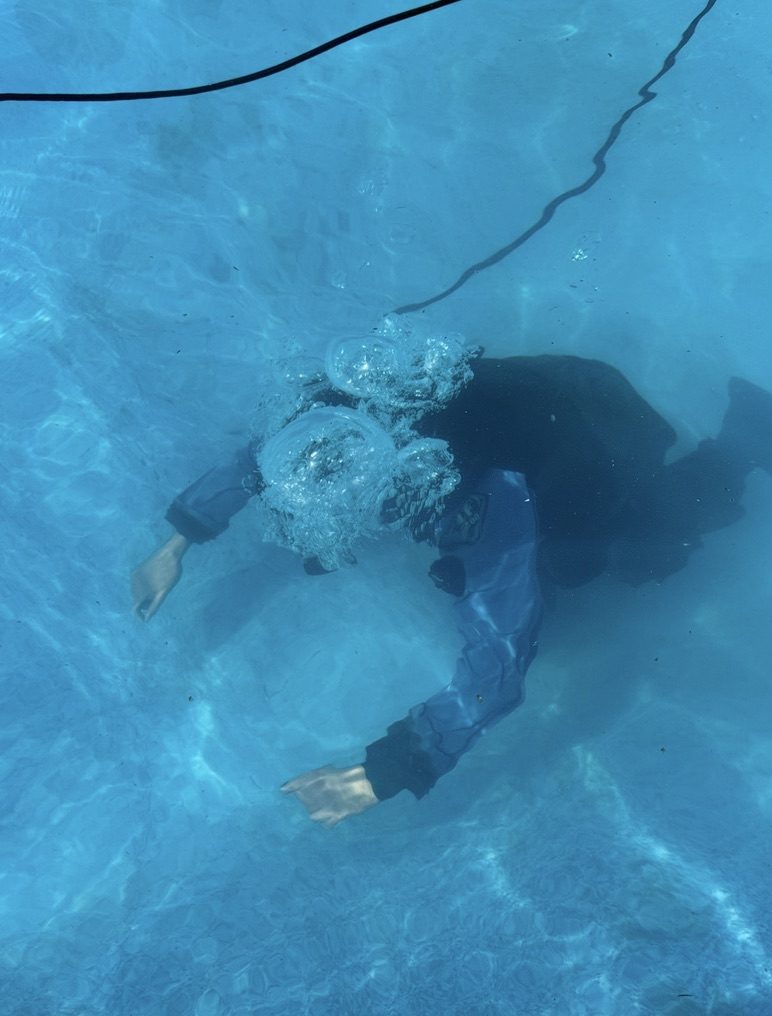
Long Island's underwater diagnostics specialists. We partner with pool companies, marinas, and waterfront businesses to deliver professional inspections, leak detection, and specialized dive services when accurate answers matter.
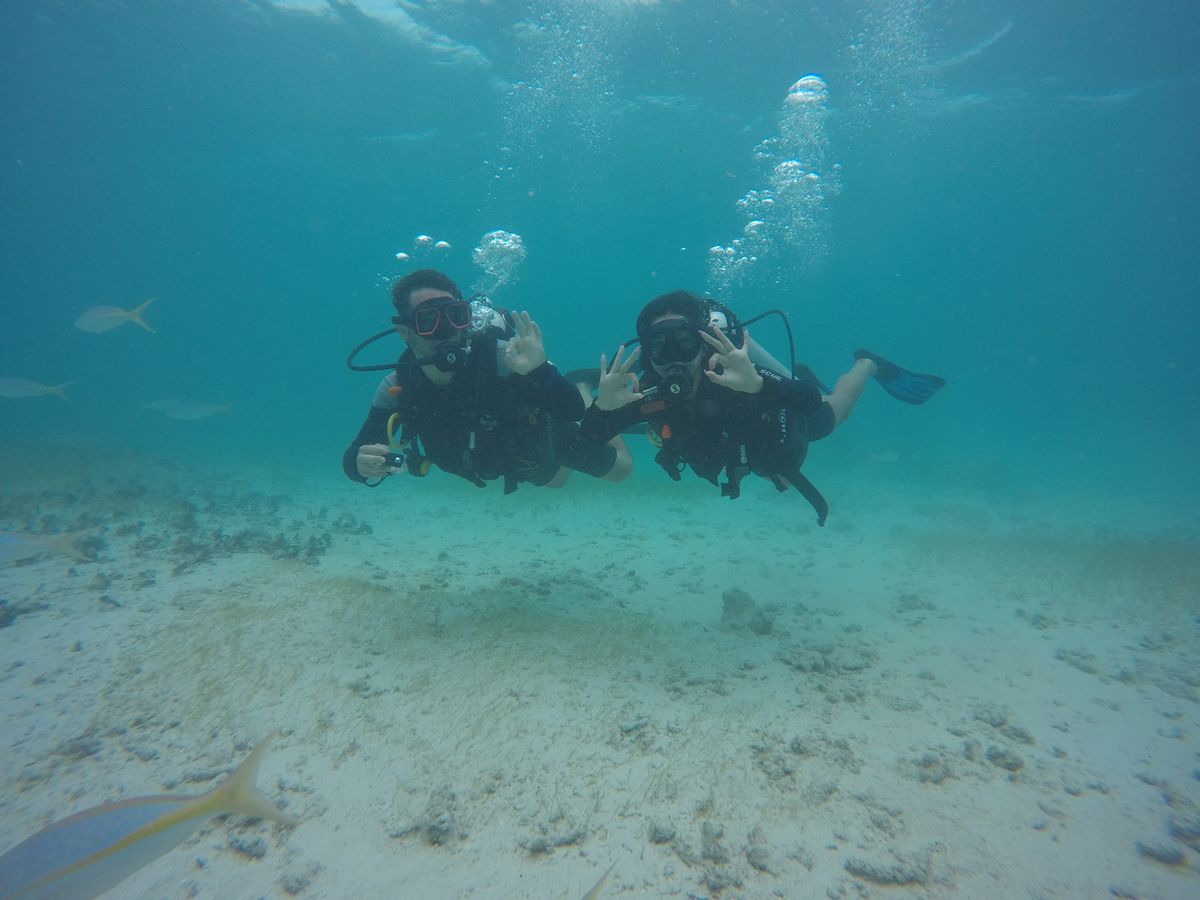
PROTECT. INSPECT. PRESERVE.
Final Dive Co. exists to protect, inspect, and preserve the underwater world through professional diving services and responsible stewardship of our waterways.
We believe our oceans, lakes, rivers, bays, and waterways are among our planet's most valuable resources. They support marine life, provide livelihoods, protect coastlines, and connect communities. Every dive we perform is an opportunity not only to deliver exceptional service, but also to safeguard the environments beneath the surface.
Our Conservation Mission →UNDERWATER DIAGNOSTICS
Three areas of specialized underwater expertise — for pool professionals, marine and waterfront clients, and anyone who needs specialized diving where access is limited.
Pool & Water Feature Diagnostics
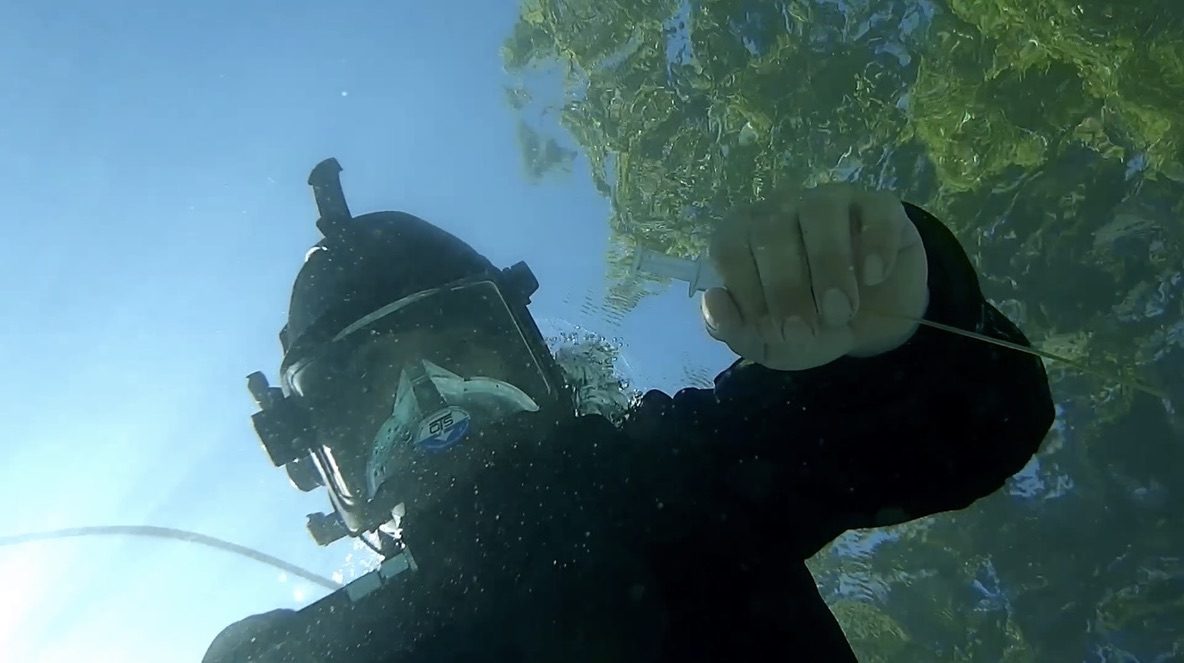
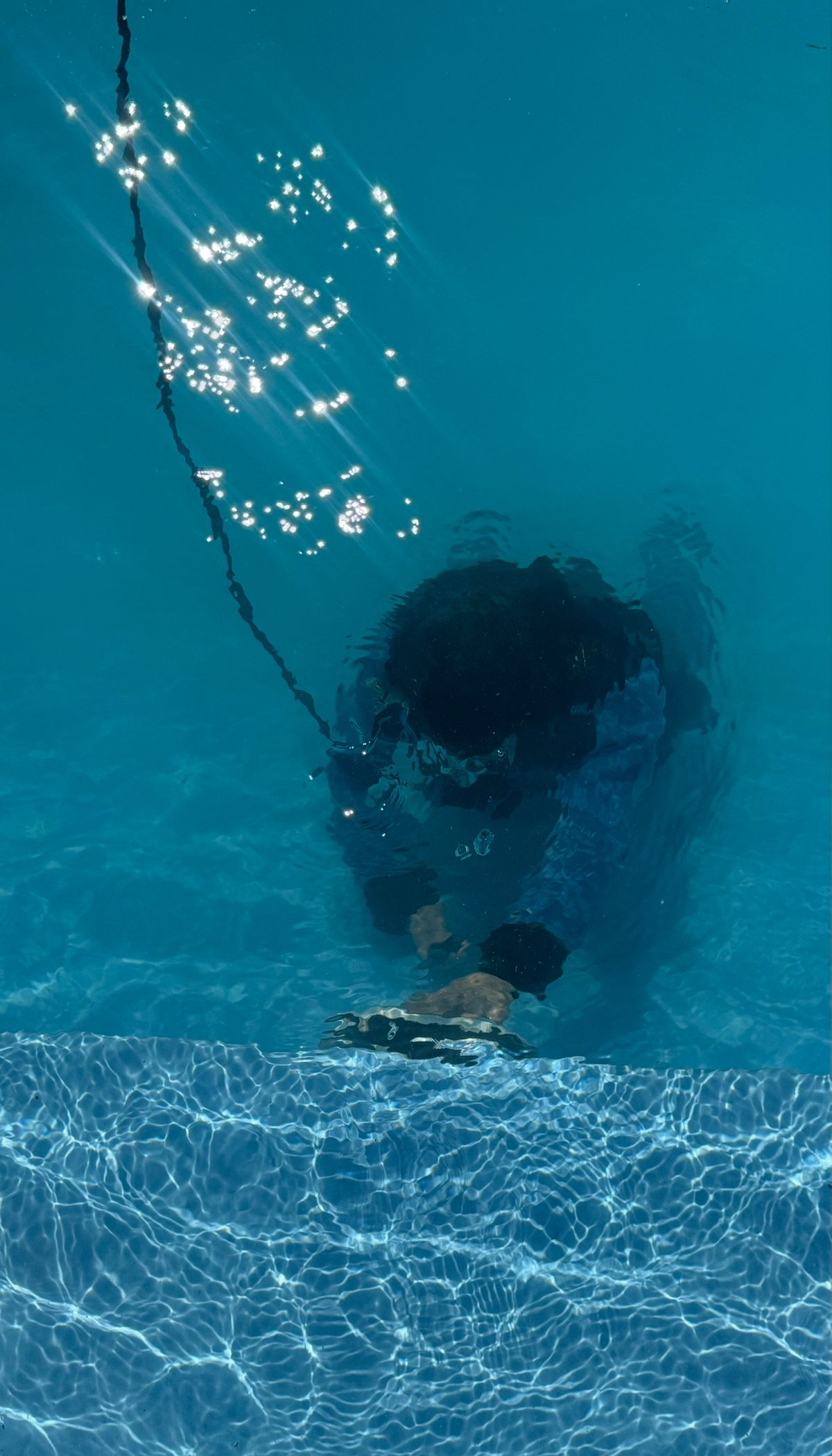
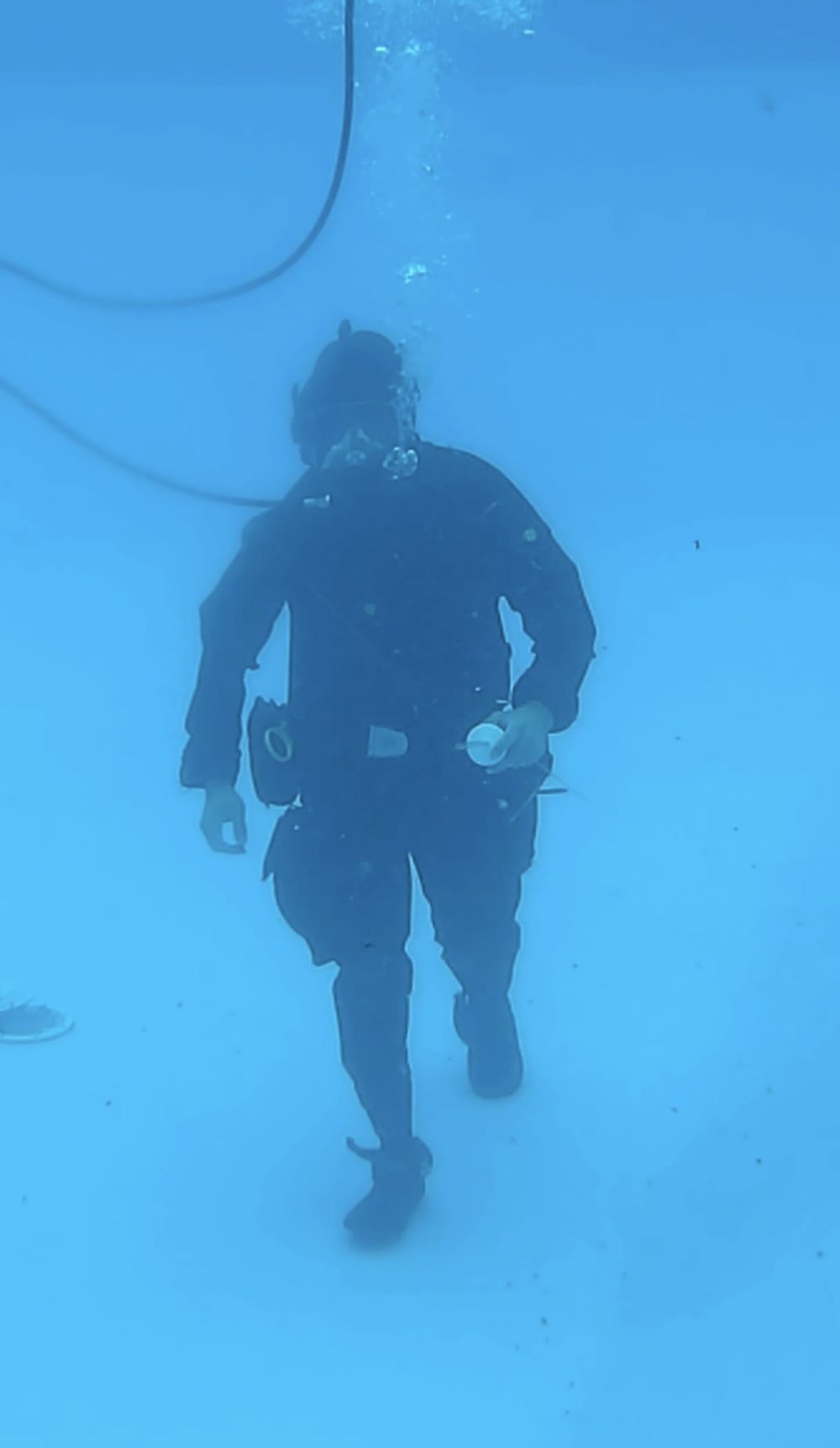
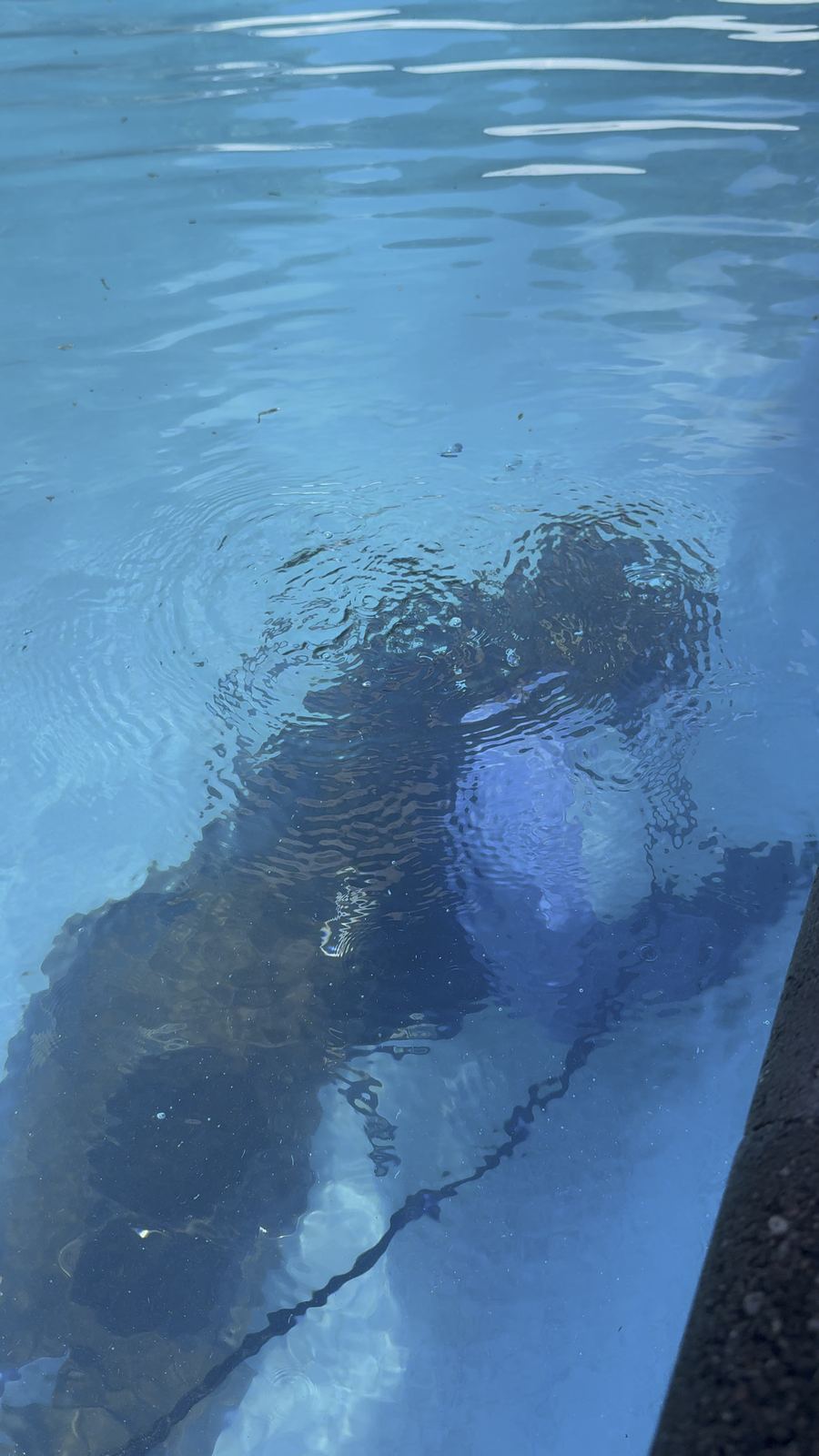
Helping pool professionals and owners identify problems quickly and accurately — leak detection, underwater inspections, dye testing, light niche and drain evaluations, liner and shell inspections, and full photo and video documentation.
Marine Diagnostics
Protecting boats, docks, and waterfront properties — hull inspections, pre-purchase underwater surveys, propeller and running gear assessments, zinc and anode checks, and dock, bulkhead, and mooring inspections.
Underwater Services
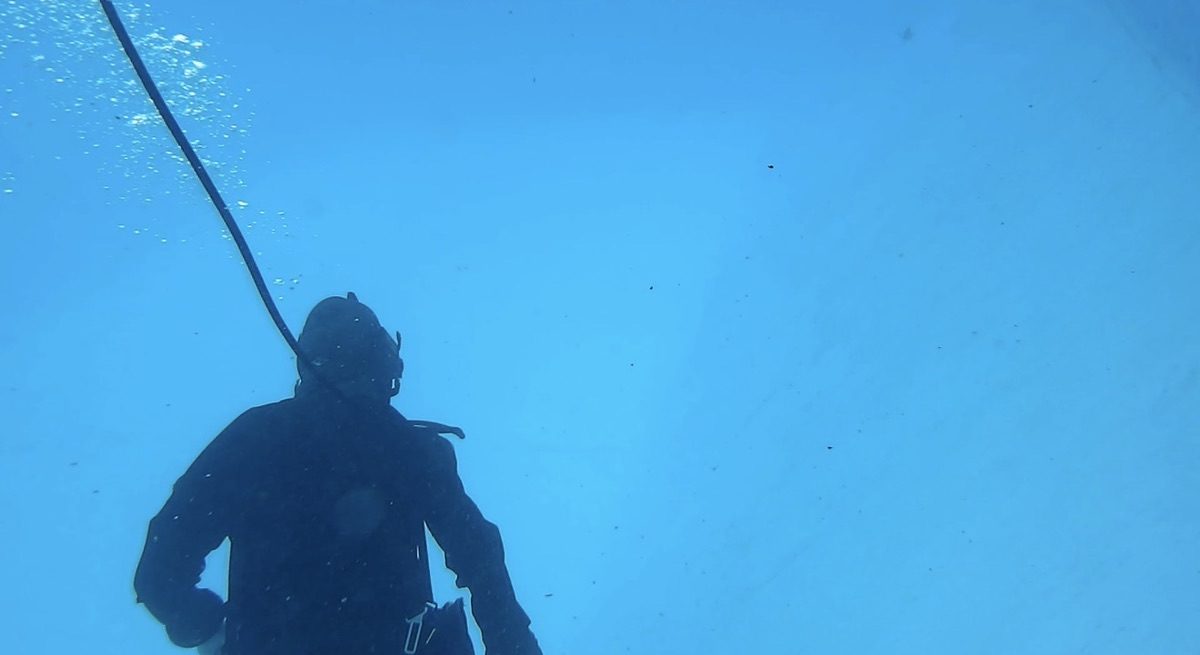
Specialized diving solutions where access is limited — item recovery, underwater photography and video, swim line and mooring installations, and custom underwater projects across Long Island.
MARINE & UNDERWATER SERVICES
From Long Island Sound to open water — our professional dive crews handle jobs above and below the waterline.
Marine & Boating
- Swim platform & boundary
- Boat hull inspection
- Propeller & outdrive inspection
- Anchor & mooring inspection
- Zebra mussel inspection
Dock & Waterfront
- Dock maintenance
- Piling inspection
- Seawall inspection & repair
- Post-storm debris assessment
- Ice damage inspection
Specialty Services
- Underwater surveys
- Underwater photography
- Item recovery
- Raw water intake clearance
- Pool leak detection
A DIAGNOSTIC PARTNER
Final Dive Co. specializes in underwater diagnostics. We partner with pool companies, marinas, and waterfront businesses to provide the inspections and underwater expertise they don't always have in-house — becoming an extension of your team.
Trusted by Pool Professionals
- Advanced Leak Detection
- Structural Underwater Inspections
- Insurance & Repair Documentation
Trusted by Marine Professionals
- Vessel Hull & Propeller Inspections
- Dock, Bulkhead & Seawall Assessments
- Routine Underwater Maintenance
Are You a Professional?
Pool builders, marinas, contractors, municipalities, engineers, and insurance professionals — see how we support your projects.
For Professionals →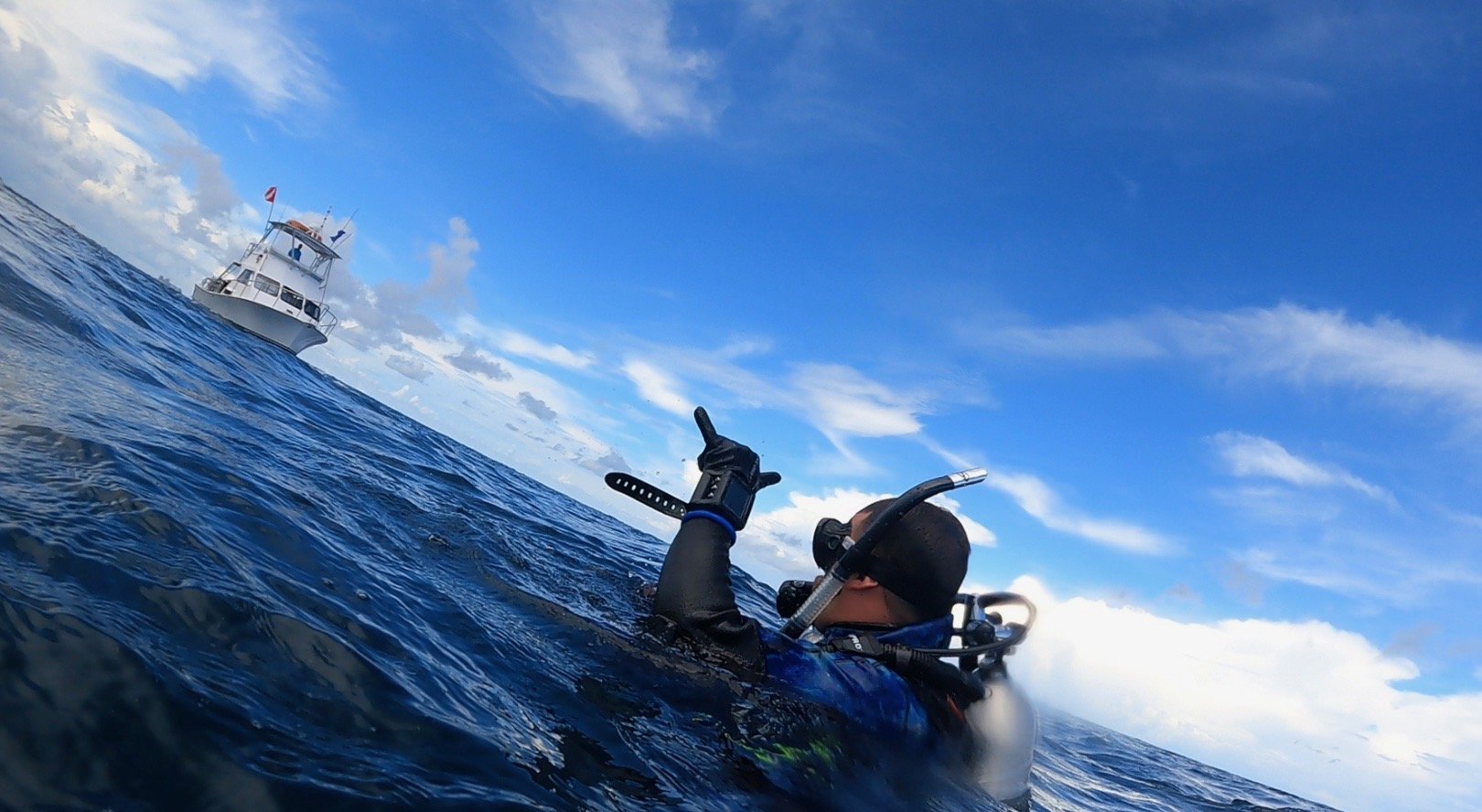
WHERE WE DIVE
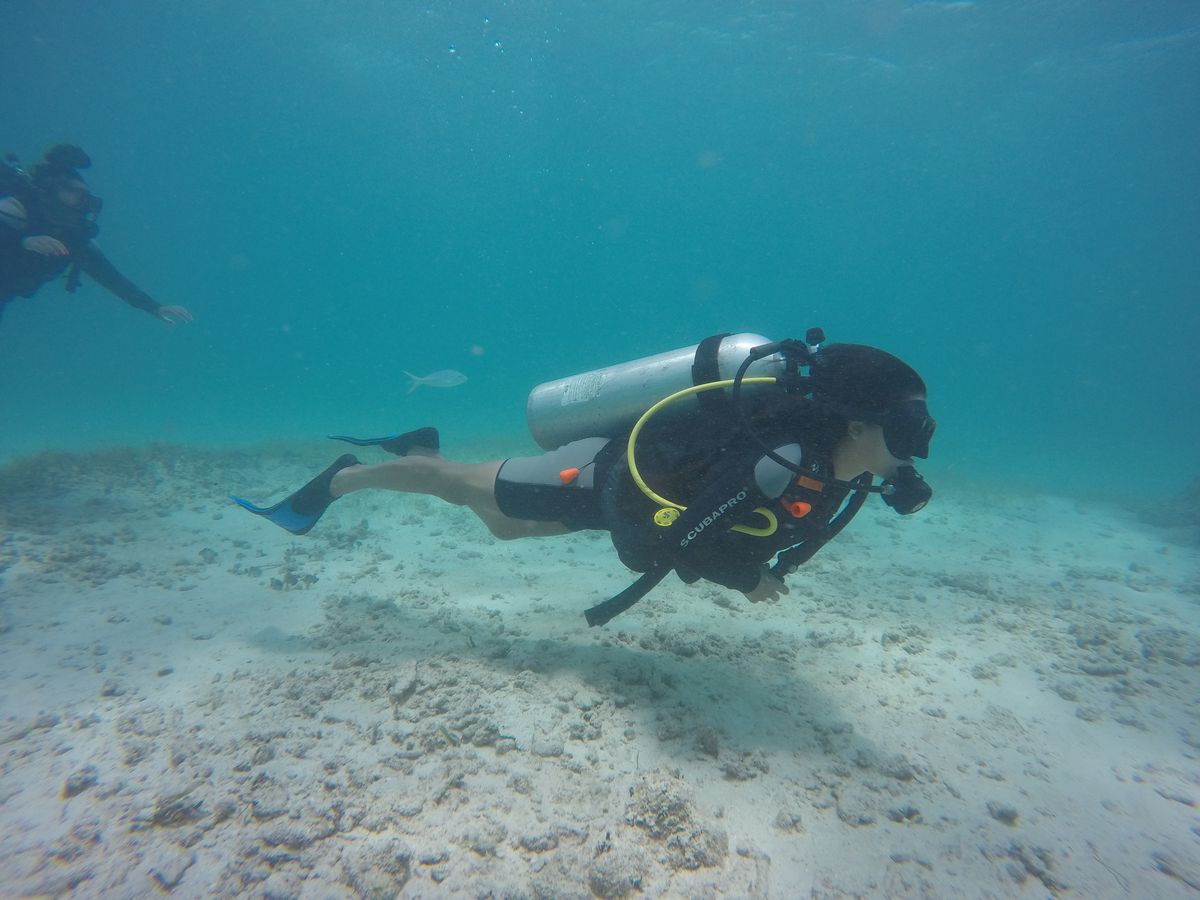
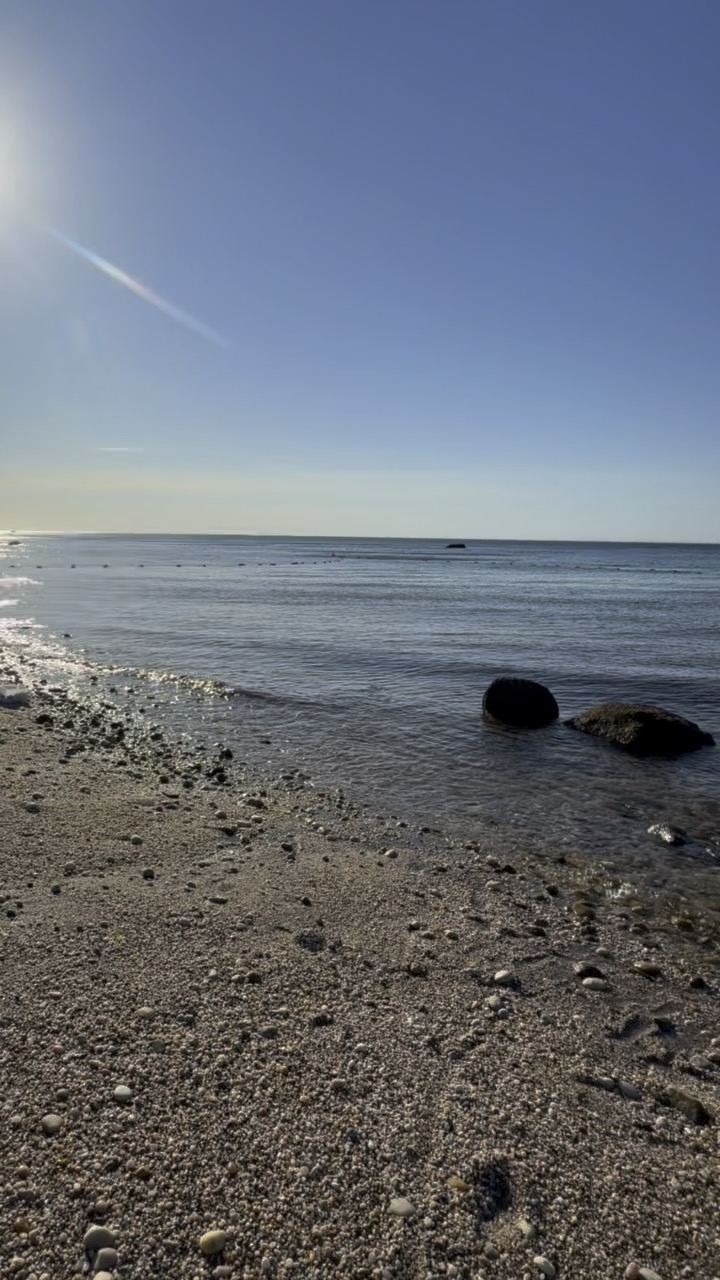
From Long Island's North and South Shores to waterfront properties across the tri-state area, Final Dive Co. delivers professional underwater services wherever they're needed. Don't see your town? Contact us — we travel.
WHAT CLIENTS SAY
Avoided an expensive haul-out thanks to Final Dive Co. They inspected my 45ft yacht's hull, swim platform, and anchor system in one visit. Clean report and great advice on fuel-saving hull cleaning. These guys go where others won't… exactly what I needed.
We have a private dock and finally found a team that we had an excellent experience working with. They provided specialized underwater labor.
After last winter's ice damage, I called Final Dive Co for a seawall and piling inspection. They responded the same day, identified exactly what needed repair, and gave me a clear plan. Saved me from bigger problems down the line. Professional and trustworthy. A++++ to the team.